Connect and Collaborate: Music Teacher Community Insights
- Vivian Chang

- 7 hours ago
- 4 min read
In the world of music education, the importance of community cannot be overstated. Music teachers often find themselves navigating a complex landscape of curriculum demands, student needs, and personal growth. Yet, amidst these challenges, there lies a vibrant community of educators who are eager to share insights, resources, and support. This blog post explores the significance of connection and collaboration among music teachers, offering practical strategies and examples to foster a thriving community.
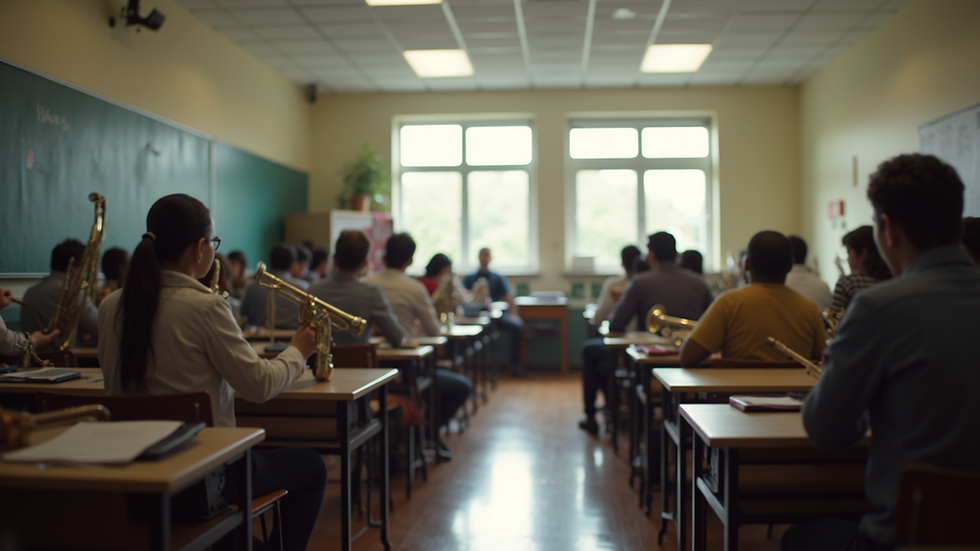
The Power of Community in Music Education
Why Community Matters
The role of a music teacher extends beyond the classroom. They are mentors, motivators, and often, the backbone of their students' musical journeys. Being part of a community allows teachers to:
Share Resources: Access to lesson plans, teaching materials, and innovative ideas can enhance teaching effectiveness.
Seek Support: Teaching can be isolating, and having a network of peers provides emotional and professional support.
Collaborate on Projects: Joint initiatives can lead to exciting opportunities for students, such as concerts, workshops, and competitions.
Building Connections
Creating a supportive community starts with building connections. Here are some effective ways to foster relationships among music educators:
Attend Workshops and Conferences: Participating in events dedicated to music education can help teachers meet like-minded individuals and share best practices.
Join Professional Organizations: Organizations such as the National Association for Music Education (NAfME) offer resources and networking opportunities.
Utilize Online Platforms: Social media groups and forums can connect teachers from around the world, allowing for the exchange of ideas and experiences.
Collaborative Teaching Strategies
Team Teaching
One effective way to enhance the learning experience is through team teaching. This approach involves two or more teachers working together to deliver a lesson. Benefits include:
Diverse Perspectives: Different teaching styles can cater to various learning preferences.
Shared Workload: Teachers can divide responsibilities, making lesson planning and execution more manageable.
For example, a general music teacher might collaborate with a choir director to create a unit that integrates vocal techniques with music theory.
Cross-Disciplinary Projects
Collaborating with teachers from other subjects can lead to innovative projects that engage students in unique ways. Consider a project where music students work with art students to create a multimedia presentation that combines music composition with visual art. This not only enriches the learning experience but also fosters teamwork and creativity.
Leveraging Technology for Collaboration
Online Collaboration Tools
In today’s digital age, technology plays a crucial role in connecting educators. Tools such as Google Classroom, Zoom, and various music education apps can facilitate collaboration. Here’s how:
Virtual Meetings: Regular online meetings can keep the community engaged and informed about upcoming events and initiatives.
Shared Resources: Cloud storage solutions allow teachers to share lesson plans, recordings, and teaching materials easily.
Social Media Engagement
Platforms like Facebook and Twitter can serve as valuable resources for music educators. By following relevant hashtags and joining groups, teachers can:
Stay Updated: Learn about the latest trends and research in music education.
Share Success Stories: Highlighting achievements can inspire others and foster a sense of pride within the community.
Case Studies: Successful Collaborations
Local Music Festivals
Many communities host annual music festivals that bring together students from various schools. These events often require collaboration among music teachers to organize performances, workshops, and competitions. For instance, a local festival in a small town might see teachers from different schools working together to create a unified program that showcases their students' talents.
Inter-School Concerts
Organizing inter-school concerts can be a fantastic way to promote collaboration. Music teachers can coordinate with one another to create a concert that features ensembles from multiple schools. This not only provides students with performance experience but also strengthens the bonds between educators.
Overcoming Challenges in Collaboration
Time Constraints
One of the biggest barriers to collaboration is often time. Music teachers frequently juggle multiple responsibilities, making it difficult to find time for meetings and joint projects. To overcome this challenge:
Schedule Regular Check-Ins: Setting aside specific times for collaboration can help ensure that it becomes a priority.
Utilize Planning Periods: Teachers can use their planning periods to meet and discuss collaborative efforts.
Differing Teaching Philosophies
Teachers may have different approaches to music education, which can lead to conflicts. To navigate these differences:
Establish Common Goals: Focusing on shared objectives can help align efforts and minimize disagreements.
Practice Open Communication: Encouraging honest discussions about teaching philosophies can foster understanding and respect.
The Future of Music Teacher Collaboration
Embracing Diversity
As music education continues to evolve, embracing diversity within the community will be crucial. This includes recognizing and valuing different musical traditions, teaching methods, and cultural backgrounds. By fostering an inclusive environment, music teachers can enrich their own practices and provide a more comprehensive education for their students.
Continuous Professional Development
Ongoing professional development is essential for music educators. Collaborative workshops, online courses, and peer observations can help teachers stay current with best practices and innovative teaching strategies. Encouraging a culture of lifelong learning within the community will benefit both educators and students alike.
Conclusion
The journey of a music teacher is often filled with challenges, but it is also rich with opportunities for connection and collaboration. By actively engaging with their peers, educators can share resources, support one another, and create enriching experiences for their students. As we move forward, let us embrace the power of community in music education, fostering a network that uplifts and inspires all involved.
By taking the first step to connect with fellow educators, you can contribute to a vibrant community that not only enhances your teaching practice but also enriches the lives of your students. Start today by reaching out to a colleague, joining a local music group, or participating in an online forum. Together, we can create a harmonious future for music education.

Comments